

Starting a family is an exciting milestone, but for some couples, pregnancy may take longer than expected. While occasional delays are common, there comes a point when seeking infertility treatment is a practical and proactive step. Understanding when to consult a specialist can help identify underlying causes early and improve the chances of achieving a healthy pregnancy.
Infertility is generally defined as the inability to conceive after one year of regular, unprotected intercourse for women under the age of 35. For women aged 35 and above, medical evaluation is recommended after six months of trying. Early assessment is also advisable for couples with known reproductive health conditions or a history of pregnancy complications.
One of the biggest misconceptions is that infertility is always a woman's issue. In reality, fertility challenges can arise from female factors, male factors, or a combination of both. That is why a thorough evaluation often involves both partners to ensure no potential cause is overlooked.
Several signs may indicate that it is time to consult a gynaecologist or fertility specialist. Women should not ignore symptoms such as:
- Irregular or absent menstrual periods
- Very painful menstrual cycles
- Recurrent miscarriages
- Known PCOS or PCOD
- Endometriosis
- Fibroids affecting the uterus
- Previous pelvic infections
- Prior pelvic surgeries
Men should also be evaluated if there is a history of low sperm count, previous testicular injury, hormonal disorders, or lifestyle factors that may affect fertility.
The fertility evaluation process usually begins with a detailed discussion about medical history, menstrual cycles, previous pregnancies, medications, and lifestyle habits. Depending on individual circumstances, investigations may include hormone testing, ovulation assessment, ultrasound scans, fallopian tube evaluation, and semen analysis. These tests help identify the underlying cause and guide appropriate treatment.
Not every couple requires advanced fertility procedures. In many cases, simple lifestyle changes and medical management can significantly improve the likelihood of conception. Treatment plans may include:
- Monitoring ovulation
- Managing hormonal imbalances
- Treating thyroid disorders
- Addressing PCOD
- Correcting nutritional deficiencies
- Managing body weight
- Prescribing ovulation-inducing medications when appropriate
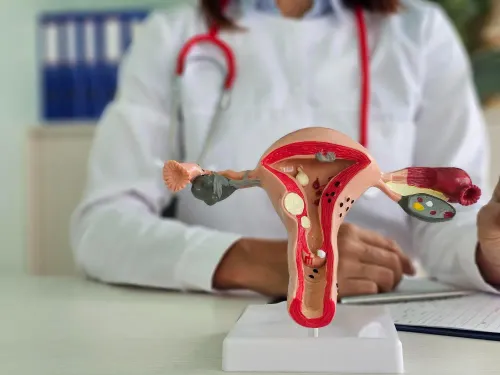
For women with structural concerns such as fibroids, uterine polyps, or adhesions, minimally invasive procedures like hysteroscopy or laparoscopy may be recommended before attempting conception. Correcting these issues can improve the chances of a successful pregnancy while reducing complications.
Age remains one of the most significant factors influencing fertility. Female fertility naturally declines over time, particularly after the age of 35. This does not mean pregnancy is impossible, but timely medical advice becomes increasingly important to preserve available treatment options.
Emotional health is another aspect that deserves attention. Couples often experience stress, anxiety, disappointment, and self-doubt while trying to conceive. Seeking professional guidance early provides clarity, realistic expectations, and structured support instead of relying on online information or unverified remedies.
For couples in Thane and other parts of Maharashtra, access to comprehensive reproductive healthcare allows fertility concerns to be evaluated without unnecessary delays. Early diagnosis often makes treatment less complicated and enables couples to understand all available options before making important decisions.
Dr. Harshrika Holkar offers personalised infertility treatment after carefully assessing each couple's medical history, reproductive health, and family planning goals. By identifying the root cause rather than simply treating symptoms, the focus remains on creating an evidence-based care plan suited to individual needs.
Infertility does not always require complex procedures, and it should never be viewed as a condition to face alone. With timely evaluation, appropriate investigations, and personalised treatment, many couples can overcome fertility challenges and move forward with greater confidence on their journey toward parenthood.